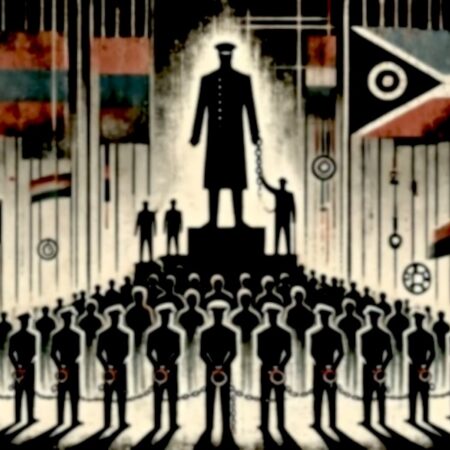


Note: I’ve included this biography in the “My Library” section because—though I’ve not read any of Dostoevsky’s books (yet), I do have a half a shelf of his most famous works, including The Brothers Karamazov, which is often touted as the best novel ever written, and which I intend to read first, and I hope soon—so yes, it’s a viable article for My Library!
Introduction
Fyodor Dostoyevsky was a Russian novelist, short story writer, essayist and renowned journalist who was born in Moscow, Russia to a rigidly Russian Orthodox family on November 11 (New Style), or October 30 (Old Style), 1821, and died in Saint Petersburg, Russia on February 9 (New Style), or January 28 (Old Style), 1881.
Dostoyevsky is typically regarded as one of the greatest novelists who ever lived, in both Russian and international literature, with many of his works deemed masterpieces, and his ideas have highly influenced literary modernism, existentialism, and various schools of psychology, theology, and literary criticism.
He was a master of the psychological novel. During his literary career that spanned four decades, he displayed unprecedented understanding of human nature, especially the torturous emotional states of guilt, despair, and preoccupation with death.
His work had an enormous influence on 20th-century fiction, penetrating the darkest depths of humanity, along with uplifting moments of illumination, all while exploring the human condition in the troubled political, social and spiritual atmospheres of 19th-century Russia, while also engaging with a variety of philosophical and religious themes.
His works are also often considered prophetic due to how accurately he predicted what Russia’s revolutionaries would do if they came to power.
A little known fact: he suffered from epilepsy, diagnosed in 1849, and which reportedly worsened during his years at a Siberian labor camp (from 1849 to 1854).
Early Life
Fyodor Dostoevsky was the second child of Dr. Mikhail Dostoevsky and Maria Dostoevskaya. He grew up in the vicinity of the Mariinsky Hospital for the Poor, where his father—a retired military surgeon—served as a doctor, treating charity cases while also conducting a private practice. It was a lower-class area of Moscow, and Fyodor regularly encountered the patients when playing in the hospital gardens.
Fyodor was introduced to literature at the early age of three, when his nanny read heroic sagas, fairy tales and legends to him. At the age of four, his mother used the bible to teach him to read and write. During his childhood, his parents introduced him to a wide range of literature, including Russian, English, German, Spanish, and Scottish works, plus Homer’s epics the Iliad and the Odyssey.
Until 1833 Fyodor was educated at home, before being sent to a day school and then to a boarding school. In 1837, when he was 15, his mother died of tuberculosis. Shortly thereafter, he left the boarding school to enter the Nikolayev Military Engineering Institute.
His father died suddenly in 1839, when Fyodor was 17. Though he officially died of an apoplectic stroke, a neighbor claimed that his serfs of murdered him, which led to ongoing rumors and is considered by historians to be a myth. However, the exact cause of death remains unclear due to conflicting reports and a lack of evidence.
Adult Life: Political Activism, Arrest, Marriages & Children
After graduating in 1843, Fyodor worked as an engineer, while translating books on the side to earn extra money. He joined the Petrashevsky Circle in 1847 and began attending meetings and participating in the discussions of social and political issues until his arrest in 1849 for discussing western philosophy and banned books that were critical of Tsarist Russia. For this Dostoevsky was sentenced to death by firing squad. After he and the other condemned men were prepared for death, a messenger arrived with a last-minute reprieve from the Tsar, and they instead were sentenced to hard labor. He then spent four years (late 1849 to early 1854) at a labor camp in Siberia, followed by six years of force military service in exile before returning to Saint Petersburg in 1859.
Dostoyevsky grew older, he abandoned the atheism of his youth and returned to the theology of the Russian Orthodox Church.
Fyodor Dostoevsky married Maria Dmitrievna Isaeva in 1857, after the death of her first husband. Their marriage lasted about seven years until her death in 1864, and was said to be unhappy, due to her ill health, his struggles with epilepsy, and difficulties with her son (his stepson) Pavel Alexandrovich Isaev. A troubled youth, Pavel was said to be stubborn and lazy, causing Dostoevsky considerable difficulties, particularly with Dostoevsky’s failed attempts to educate the boy.
He married his second wife, Anna Grigoryevna Snitkina, in 1867. She remained his wife until his death in 1881. in 1868 their first daughter Sofia was born, but died at the age of three months from pneumonia. In 1869 their second daughter, Lyubov, was born. They also had two sons, Fyodor (1871) and Alexey (1875), but Alexey died at the age of three during an epileptic seizure.
Death
Dostoevsky died in 1881 from a pulmonary hemorrhage (severe bleeding from his lungs), likely caused by tuberculosis, believed to be a complication of his chronic epilepsy which contributed to his poor lung health, along with his lifelong habitual smoking.
Before dying, Dostoevsky requested the parable of the prodigal son to be read to his children, a story of transgression, repentance, and forgiveness. His last words to his wife Anna were: “Remember, Anya, I have always loved you passionately and have never been unfaithful to you ever, even in my thoughts!”
He was interred in the Tikhvin Cemetery at the Alexander Nevsky Convent. Varying reports say that anywhere from 40,000 to 100,000 people attended his funeral. His tombstone is inscribed with lines from the New Testament:
“Verily, verily, I say unto you, Except a corn of wheat fall into the ground and die, it abideth alone: but if it dies, it bringeth forth much fruit.” ~ John 12:24
Popular Works
In 1846, Dostoyevsky‘s first novel, Poor Folk, gained him entry into Saint Petersburg’s literary circles. But his writing career was interrupted by his arrest and subsequent 10-year exile to hard labor and compulsory military service, but he began writing again upon his return to Saint Petersburg in 1859.
He is best known for his 1864 novella Notes from Underground about a bitter, neurotic recluse who is unable to function socially in the outside world, and which deals with the issues of isolation, suffering, and existential anxiety.
Notes from a Dead House (1861 – AKA House of the Dead) is Dostoevsky’s personal memoir from the four years of hard labor in Siberia that he was sentenced to after his mock execution, but disguised as a work of fiction to elude government censors of that time.
Crime and Punishment (1866) explores the guilt and misery of a young man who has killed an old woman, and how a perpetrator’s own conscience and self-recrimination after committing a crime can often be worse than any punishment society doles out.
The Idiot (1869) is about the tragic failure of a good man (often called a “Christ-like” figure), to function in corrupt 19th-century Russia, which is driven by greed, ego, and destructive passions.
Demons (1872 – AKA The Possessed and/or The Devils) was inspired by the true story of a political murder that gripped Russia in 1869, satirizing the political ideology of the time, but also touching on the more common themes of human nature, the question of God, and the meaning of life.
The Brothers Karamazov (1880) and has been called the most significant Christian novel ever written, being infused with Russian Orthodox morality. It follows the lives of three brothers, sons of a murdered father, as they tackle issues of good and evil and Christianity each in their own way. It is often considered Dostoevsky’s most intense investigation into the depths of humanity and the meaning of life.
There are also several short story collections available, such as The Complete Short Stories of Fyodor Dostoevsky, White Nights and Other Stories, Greatest Short Stories of Dostoevsky, The Complete Works of Fyodor Dostoyevsky: Novels, Short Stories and Autobiographical Writings, The Eternal Husband and Other Stories, Great Short Works of Fyodor Dostoevsky, and others.
Bibliography
Novels & Novellas
1846 Poor Folk, Novel
1846 The Double, Novel
1847 The Landlady, Novella
1849 Netochka Nezvanova, Unfinished Novel
1859 Uncle’s Dream, Novella
1859 The Village of Stepanchikovo (AKA The Friend of the Family), Novel
1861 Humiliated and Insulted (AKA Insulted and Injured), Novel
1861 The House of the Dead (AKA Prison Life in Siberia and Buried Alive, or Ten Years of Penal Servitude in Siberia), Novel
1864 Notes from Underground (AKA Letters from the Underworld), Novella in two parts
1866 Crime and Punishment, Novel
1866 The Gambler, Novel
1869 The Idiot, Novel
1869 The Eternal Husband (AKA The Permanent Husband), Novel
1872 Demons (AKA The Possessed and The Devils), Novel
1875 The Adolescent (AKA The Raw Youth or An Accidental Family), Novel
1880 The Brothers Karamazov, Novel in 12 parts plus epilogue, intended to be the first part of the epic The Life of a Great Sinner
Short Stories
1846 Mr. Prokharchin
1847 Novel in Nine Letters
1848 A Jealous Husband
1848 Another Man’s Wife
1848 Another Man’s Wife and a Husband Under the Bed (a merger of the prior two listings)
1848 A Weak Heart (AKA A Faint Heart)
1848 Polzunkov
1848 An Honest Thief
1848 A Christmas Tree and a Wedding
1849 A Little Hero
1862 A Nasty Story (AKA A Disgraceful Affair, A Nasty Anecdote, A Most Unfortunate Incident, or An Unpleasant Predicament)
1865 The Crocodile
1873 Bobok
1876 The Peasant Marey
1876 The Heavenly Christmas Tree
1876 A Gentle Creature (AKA The Meek One, A Gentle Maiden, The Gentle Maiden, or A Gentle Spirit)
1877 The Dream of a Ridiculous Man
Related Articles
If you have enjoyed any of the content I've published here, please consider subscribing to my author website to receive future updates: simply enter your email into the form below, or just use this simple quick sign-up form. Thanks! ~ R
captivating fiction, free downloadable
ebooks, or new book releases!
Subscribe Today:
Featured Articles • My Books & Fiction
Arts, Crafts, & Projects
Today's Cognition • Free Ebooks • Blog
Typology Mugs • Lifeology Store
Free Ebook Library • Compass Bookstore
EVOLVE: Toward Autarchy (Substack)
Check Out My Books on Amazon: | ||

| 
| 
|
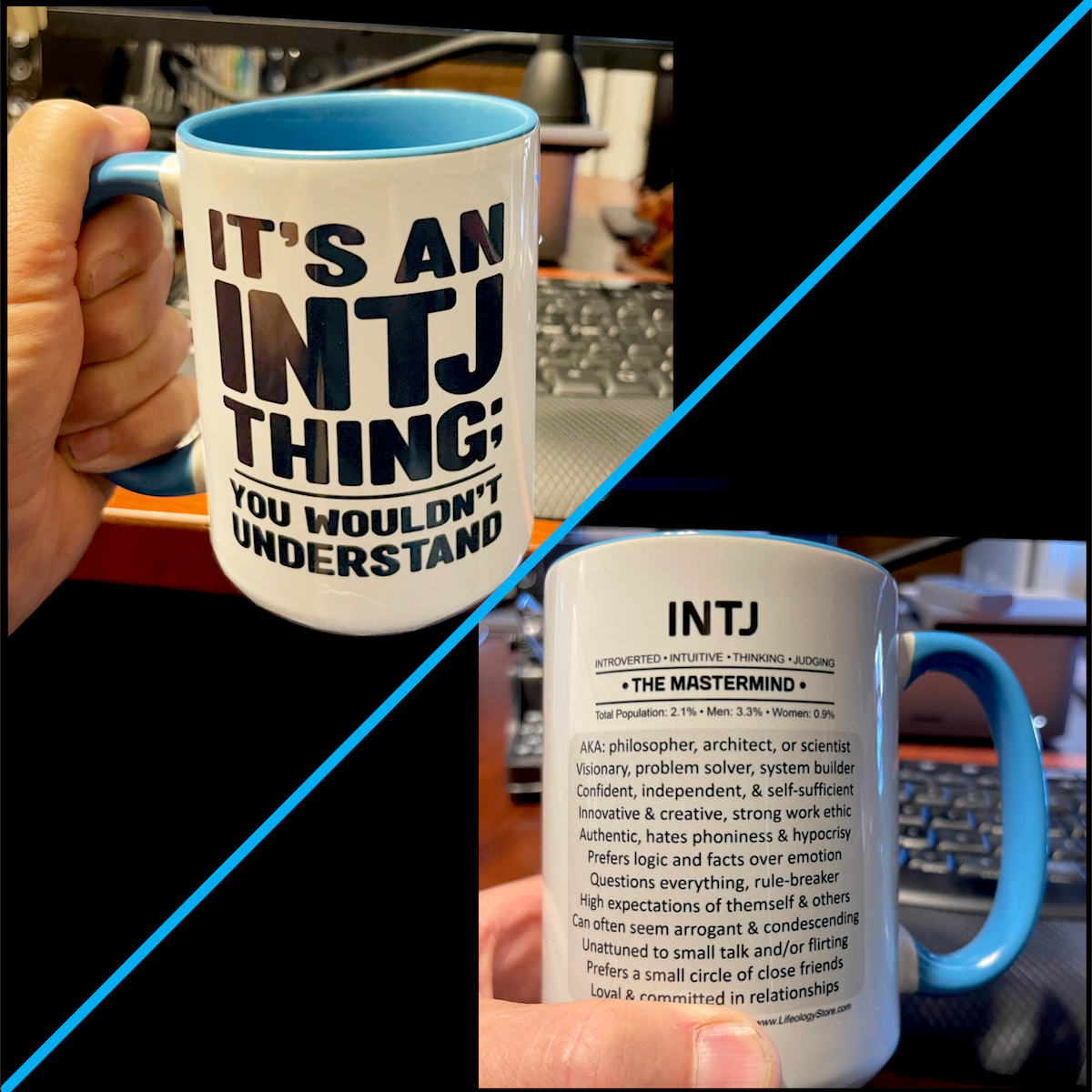
Unique Typology Mugs Exclusively From Lifeology Store: | ||
Have you learned your unique personality type? Then you deserve a mug that's as unique as you are! | ||
| 
| 
|
All 16 profiles are available in a variety of beautiful colors—and even LH or RH orientation! Visit Lifeology Store & get your unique Typology mug today! | ||

| ||